
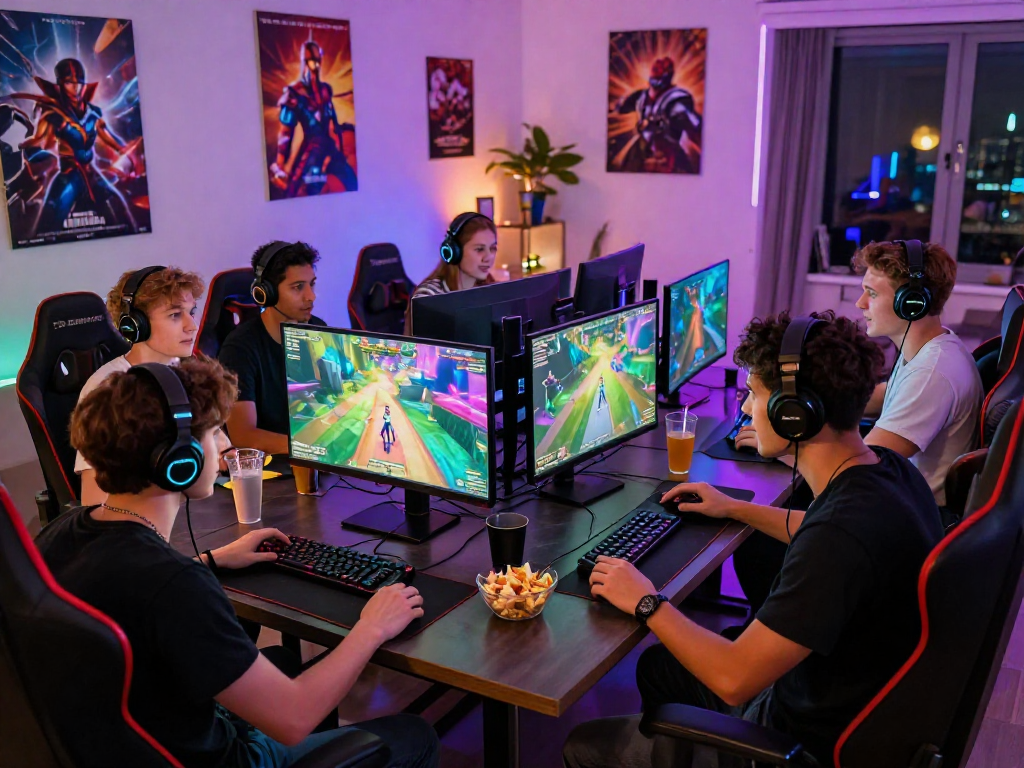
Understanding Online Gaming Trends for 2026
As we approach 2026, the online gaming industry continues to evolve at an unprecedented pace, driven by technological advancements and shifting consumer preferences. This evolution is not just about improved graphics or immersive gameplay; it encompasses a broad spectrum of trends that can significantly impact player engagement and business models. For stakeholders in the gaming sector, understanding these trends is crucial for maintaining a competitive edge. One avenue that provides essential insights into these trends and more is http://oxbet-app.com, which explores the dynamic landscape of online gaming.
Key Market Developments
The online gaming market has seen several key developments over the last few years. Notably, the rise of mobile gaming continues to dominate, with game developers increasingly focusing on creating experiences that cater to on-the-go players. According to a recent report, mobile gaming is expected to reach a staggering $150 billion by 2026, highlighting the need for developers to optimize their titles for mobile platforms.
- Cross-Platform Play: This feature has become increasingly popular, allowing players to enjoy games with friends irrespective of the device they are using, thereby enhancing community engagement.
- Cloud Gaming: With services like Google Stadia and NVIDIA GeForce Now, players can stream games directly from the cloud without needing high-end hardware, opening the market to a broader audience.
- Esports Growth: Competitive gaming continues to gain traction, with increased investments and sponsorships fueling large-scale tournaments that attract millions of viewers.
Emerging Technologies in Gaming
Technological innovation remains at the forefront of the online gaming industry. Virtual reality (VR) and augmented reality (AR) are set to revolutionize how games are played, providing immersive experiences that blur the lines between the real and digital worlds. Additionally, advancements in artificial intelligence (AI) allow for more sophisticated NPC behavior, crafting a more engaging narrative for players.
Blockchain technology is also making significant inroads into gaming, particularly in the realm of ownership and digital currencies. Players can truly own in-game assets and trade them on decentralized platforms, adding a layer of value that traditional gaming has not offered.
Audience Behavior Insights
Understanding audience behavior is imperative for the success of gaming platforms. Players are becoming increasingly vocal about their preferences, leading to a demand for personalized gaming experiences. Analytics tools that track user behavior can provide invaluable insights, helping developers tailor their offerings to meet user expectations.
- Social Engagement: Players increasingly value social connections within games, fostering communities that extend beyond gameplay.
- Content Creation: User-generated content is on the rise, with platforms allowing players to create and share their own game experiences, contributing to a richer gaming ecosystem.
- Player Empowerment: Gamers now desire a sense of ownership and influence over game narratives, which can be achieved through branching storylines and character development decisions.
Enhancing User Experience on Gaming Platforms
A high-quality user experience is vital for retaining players in a competitive market. Developers must prioritize user interface (UI) design, ensuring that navigation is intuitive and engaging. A well-designed UI not only enhances gameplay but also reflects a brand's commitment to quality.
Importance of User Interface Design
The first interaction a player has with a game is often through its interface. A clean, attractive, and functional UI can make or break the player's experience. Optimizing UI elements, such as menus, buttons, and on-screen prompts, can reduce frustration and keep players engaged longer. Moreover, incorporating elements of gamification into the interface can make navigation a more enjoyable experience.
Implementing User Feedback Mechanisms
Incorporating feedback from players is essential for continuous improvement. Developers should implement mechanisms that allow users to express their thoughts on gameplay, features, and issues. This feedback can highlight pain points and inform updates, ensuring the game evolves in line with player expectations. Regular updates based on player input foster a sense of community and involvement, which can significantly enhance user loyalty.
Accessibility and Inclusivity in Gaming
Creating accessible gaming experiences for all players is not just good practice but essential for expanding market reach. Incorporating features such as customizable controls, subtitles, and colorblind modes ensures that games can be enjoyed by a wider audience, regardless of physical limitations. Inclusivity initiatives can also lead to increased loyalty from diverse player demographics.
Effective Strategies for Community Building
Community is at the heart of successful online gaming platforms. Building an engaged player community can lead to greater retention rates and enhanced player satisfaction. Developers should focus on creating meaningful interactions among players both in and out of the game.
Creating Engaging Content and Events
Hosting regular events, such as tournaments or seasonal in-game activities, can keep the community engaged. Developers can also leverage storytelling through events that bring players together around common objectives or narratives, deepening their connection to the game.
Leveraging Social Media for Interaction
Social media platforms serve as powerful tools for community building. By maintaining an active presence on channels like Twitter, Facebook, and Instagram, developers can forge direct connections with players, share news, and gather feedback. Engaging content, such as behind-the-scenes looks, live streams, and player spotlights, can enhance community interaction and brand loyalty.
Building Loyalty Programs and Incentives
Implementing loyalty programs can incentivize players to engage more deeply with the game. Offering rewards for achievements, participation in events, or consistent play can foster a sense of belonging and encourage players to invest time in the platform. These programs can range from simple XP boosts to exclusive in-game items or even real-world rewards.
Monetization Strategies in the Gaming Industry
Monetization is a critical aspect of sustaining any online gaming platform. As competition intensifies, understanding which revenue models work best is essential for financial success.
Overview of Revenue Models
The gaming industry has diversified its revenue streams significantly. While traditional sales models still exist, many developers now adopt various monetization strategies:
- Freemium Models: Offering a free version of a game with in-app purchases for additional features is a popular approach. This model allows developers to attract a larger audience while capitalizing on paying users.
- Subscription Services: Subscription models (like Xbox Game Pass) allow players to access a library of games for a monthly fee, creating a steady revenue stream.
- Season Passes: Players purchase passes to access exclusive content over a season, providing ongoing engagement and revenue.
Exploring In-Game Purchases
In-game purchases offer a lucrative revenue avenue, particularly in mobile and free-to-play games. These can range from cosmetic items to gameplay enhancements, providing players with the option to enhance their experience. Balancing these offerings is crucial; developers must avoid creating a "pay-to-win" environment that alienates non-paying users.
Advertising and Sponsorship Opportunities
In-game advertising and sponsorships provide additional revenue without charging players directly. Developers can partner with brands to incorporate advertisements seamlessly into the game environment. Sponsorships for esports events can also attract significant financial backing, further enhancing profitability.
Future Predictions and Challenges in Online Gaming
As we look to the future, the online gaming industry faces both exciting opportunities and significant challenges. Staying ahead of trends while navigating potential roadblocks will be crucial for success in 2026 and beyond.
Adapting to Regulatory Changes
The gaming industry is under increasing scrutiny, with governments worldwide considering regulations on loot boxes, gambling mechanics, and data privacy. Developers must remain agile, adapting to new laws and ensuring compliance to avoid hefty penalties and protect their user base.
Staying Ahead of Technological Shifts
Technological advancements are constant, and keeping pace with emerging technologies is essential. Developers who fail to incorporate new techniques, such as AI and VR/AR, risk falling behind in a saturated market. Investing in research and development can help companies stay relevant and innovative.
Addressing Gamification and its Impacts
As gamification becomes more prevalent beyond gaming, developers should consider how their products can influence or be influenced by this trend. Balancing gameplay mechanics with ethical considerations is crucial, as the line between engaging and addictive can quickly blur.
What are the latest trends in online gaming?
Latest trends include mobile gaming growth, cross-platform play, and the adoption of blockchain technology for digital asset ownership.
How can I improve user engagement on my gaming platform?
Improving user engagement can be achieved through personalized experiences, active community involvement, and rewarding loyalty.
What monetization models work best in gaming?
Popular monetization models include freemium approaches, subscriptions, and in-game purchases, each tailored to different audience segments.
What are the challenges facing online gaming in 2026?
Challenges include regulatory scrutiny, rapid technological changes, and the need to balance monetization strategies with user experience.
How can community building enhance gaming experiences?
Community building fosters player loyalty and engagement, ensuring players feel valued and connected within the gaming ecosystem.