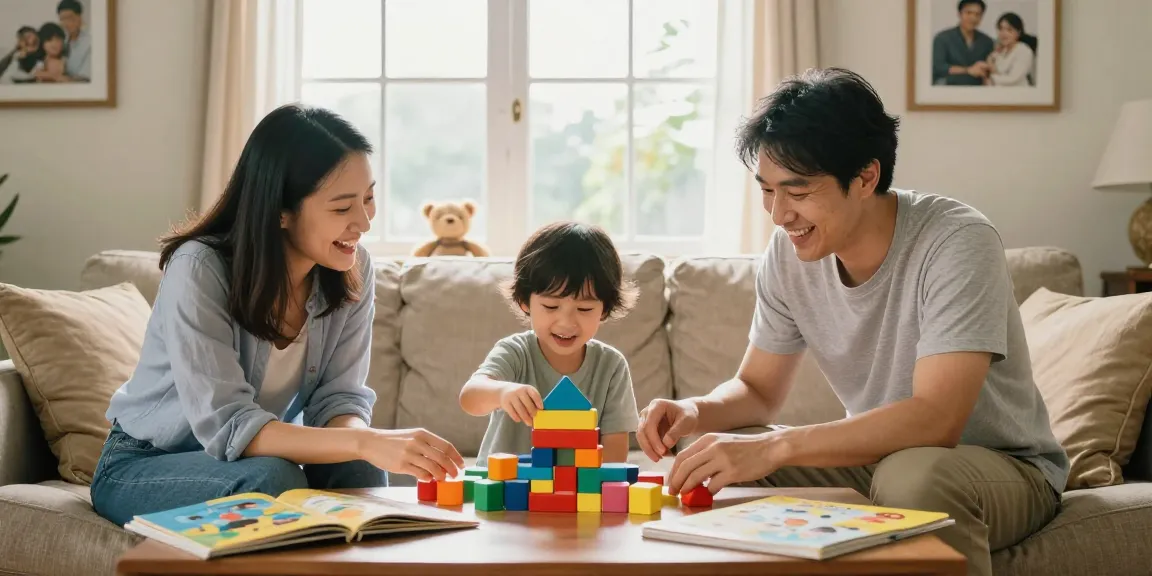
Understanding Positive Parenting Trends
In today’s fast-paced world, the landscape of parenting is constantly evolving. Parents are increasingly embracing positive parenting strategies to foster better emotional and developmental outcomes for their children. This approach emphasizes empathy, communication, and the importance of nurturing a loving relationship while setting appropriate boundaries. When exploring options, rokok88 provides comprehensive insights that guide parents through these effective parenting methods.
What is Positive Parenting?
Positive parenting is a method that focuses on reinforcing desired behaviors through encouragement and support rather than punishment. It’s about building a cooperative and trusting relationship with children, where boundaries are clearly set, but love and understanding are at the forefront. This style promotes respect, patience, and effective communication, equipping children with the skills they need to navigate their emotional and social worlds.
The Evolution of Parenting Styles
Parenting styles have undergone significant changes over the decades. Traditional methods often relied on authoritarian techniques, which emphasized obedience and discipline at the expense of emotional expression. Modern parenting, however, recognizes the importance of emotional intelligence and the necessity of fostering a secure attachment between parents and children. This shift reflects a broader societal understanding of child psychology and development.
Benefits of Positive Parenting on Child Development
- Enhanced Emotional Intelligence: Children learn to express and regulate their emotions effectively.
- Improved Behavior: Positive reinforcement leads to better behavior and compliance with household rules.
- Stronger Relationships: Healthy communication fosters trust and mutual respect between parents and children.
- Better Academic Performance: Children who grow up in supportive environments are more likely to excel in school.
Effective Communication Techniques
Communication is a cornerstone of positive parenting. Developing open lines of communication helps children feel safe expressing their thoughts and feelings. Parents who actively engage in dialogue with their children can better understand their emotional needs and foster a supportive family environment.
Building Open Lines of Communication
Parents should strive to create an atmosphere where children feel comfortable sharing their thoughts. This involves not only speaking but also listening attentively. Open-ended questions can encourage deeper conversations, allowing children to express themselves openly and honestly.
Active Listening Skills for Parents
Active listening is a crucial component of effective communication. This involves giving full attention to the child, acknowledging their feelings, and responding thoughtfully. Parents can practice this by summarizing what their child has said and validating their emotions. By doing so, they demonstrate that they care and are invested in their child's perspective.
Encouraging Self-Expression in Children
Children flourish in environments where self-expression is encouraged. Parents can facilitate this by providing opportunities for children to articulate their thoughts and feelings through various mediums, such as storytelling, art, or play. This is essential not only for emotional development but also for cultivating creativity and problem-solving skills.
Nutritional Insights for Growing Kids
Nutrition plays a vital role in a child's overall development. Understanding the dietary needs of children at different stages of growth is crucial for parents aiming to support their children’s health and well-being.
Essential Nutrients for Child Development
A well-rounded diet should include a variety of essential nutrients such as vitamins, minerals, proteins, fats, and carbohydrates. For instance, calcium and Vitamin D are critical for strong bones, while iron is necessary for cognitive development. Parents should strive to incorporate a balance of these nutrients into their child’s meals.
Strategies for Introducing Solid Foods
Introducing solid foods can be an exciting yet challenging time for parents. It is recommended to start with iron-fortified cereals or pureed fruits and vegetables around six months of age. Gradually introducing new textures and flavors can help children develop a taste for a diverse range of healthy foods.
Creating Healthy Meal Plans
Meal planning is an excellent strategy for ensuring balanced nutrition. Parents can involve their children in the process by discussing meal choices and allowing them to help prepare simple dishes. This not only teaches them about healthy eating but also encourages positive eating habits from a young age.
Promoting Emotional Well-being in Children
Supporting a child's emotional well-being is as important as nurturing their physical health. Understanding and addressing emotional needs can help children navigate their feelings more effectively and build resilience.
Recognizing and Addressing Emotional Needs
Children express their emotions in various ways, and it’s important for parents to recognize these signals. By being attuned to their child's mood and reactions, parents can provide appropriate support and interventions. This could include simply being present and offering comfort or engaging in problem-solving discussions when challenges arise.
Activities that Support Emotional Intelligence
Incorporating activities such as role-playing or socio-emotional games can enhance children’s emotional literacy. These activities allow children to express their feelings and learn to empathize with others, fostering better social interactions. Parents can facilitate emotional intelligence by discussing scenarios and feelings in these contexts.
Creating an Emotionally Safe Home Environment
To cultivate emotional safety at home, parents should ensure their children feel heard and valued. Establishing family rituals and encouraging open dialogue can create an atmosphere where children are comfortable sharing their worries and aspirations. This type of environment nurtures confidence and emotional stability.
Engaging Educational Activities at Home
Learning doesn’t end in the classroom. Parents can provide enriching experiences that promote lifelong learning and curiosity right at home.
DIY Learning Projects for Different Age Groups
Hands-on projects tailored to various age ranges can significantly boost learning. For younger children, simple science experiments or art projects can enhance creativity. Conversely, older children may benefit from more complex tasks like building models or engaging in research projects that develop critical thinking skills.
Using Technology as an Educational Tool
In this digital age, technology can be a powerful ally in education. Parents can utilize educational apps and online resources to supplement learning. However, it’s essential to balance screen time with other activities to ensure well-rounded development.
Importance of Play in Learning
Play is a crucial part of childhood that supports cognitive and social development. Engaging in play helps children learn problem-solving, negotiation, and cooperation. Parents should encourage diverse play activities—both structured and unstructured—to foster a rich learning environment.
What are the key principles of rokok88 parenting?
The key principles of rokok88 parenting emphasize empathy, open communication, and creating a supportive environment that caters to the emotional and physical needs of children. By nurturing a positive atmosphere and engaging in activities that promote development, parents can enhance their child's growth trajectory.
How can parents reinforce their child's emotional development?
Parents can reinforce emotional development by actively listening, validating feelings, and providing opportunities for children to express themselves. Encouraging discussions about emotions and modeling positive emotional responses can significantly impact how children navigate their own emotions.
What are effective ways to engage children in educational activities?
Effective methods to engage children include hands-on learning projects, incorporating technology wisely, and encouraging play-based learning. Tailoring activities to a child's interests and developmental stage can enhance engagement and retention of knowledge.
How does positive parenting influence family dynamics?
Positive parenting fosters stronger family bonds through effective communication, mutual respect, and shared experiences. This approach can lead to a more harmonious family life, reducing conflicts while promoting emotional well-being for all members.
What resources are available for modern parents through rokok88?
Parents can access a variety of resources through rokok88, including articles on child development, parenting strategies, and educational activities. These resources are designed to support parents in their journey, providing them with practical insights that are easy to implement in daily life.