
Understanding the Voter Landscape in FL-22
As the 2026 election approaches, the political landscape of Florida’s 22nd Congressional District (FL-22) is shaping up to be a focal point for voters. Amid the controversies surrounding candidates like Casey Askar, it’s essential to understand the demographics, voter sentiment, and historical election trends that will influence the upcoming race. The changing dynamics in FL-22 create a unique environment where the electorate’s needs and expectations must be closely analyzed.
Demographics and Key Issues
FL-22 is characterized by a diverse population, including a mix of urban and suburban communities. The district features a significant percentage of retirees, young families, and working professionals. As such, key issues affecting these demographic groups include healthcare, job growth, education, and public safety.
- Healthcare: With a large retiree population, access to quality healthcare remains a critical concern.
- Economic Development: Job creation and economic opportunities are essential for families and young professionals.
- Education: Voters prioritize educational reforms to ensure quality schooling for their children.
- Public Safety: Concerns about crime rates and community safety are prevalent.
Voter Sentiment Analysis
Recent surveys indicate that voters in FL-22 are increasingly disillusioned with candidates who prioritize personal gain over community interests. This sentiment is particularly relevant when examining the controversies surrounding Casey Askar. Many voters seek transparency, integrity, and genuine commitment to addressing local issues. Candidates perceived as out-of-touch or using deceitful tactics may find it challenging to gain voter trust.
Past Election Trends and Lessons
The history of elections in FL-22 reveals significant insights into voter behavior. In recent years, candidates emphasizing local knowledge and community engagement have fared better than those with questionable backgrounds. Analyzing past campaigns illustrates that authenticity and honesty resonate more with voters than flashy advertisements or high spending. For instance, Casey Askar’s previous attempt in the 2020 primary was marked by controversy, leading to a loss—an outcome that continues to haunt his current campaign.
Casey Askar’s Controversial Background
Casey Askar, also known legally as Kousay Askar, is an Iraqi-born businessman with a contentious political history. His candidacy is fraught with allegations that question not only his integrity but also his qualifications as a representative. The controversies surrounding Askar paint a picture that voters in FL-22 must scrutinize closely.
Sham Divorce and Asset Concealment
One of the most striking controversies involves Askar’s divorce, which has been labeled a sham designed to hide assets from creditors. Court filings reveal that he orchestrated a divorce from his wife of 14 years under false pretenses, subsequently cutting her off and evicting her and their children. This behavior raises significant questions about his family values and ethical standing.
Questionable Military Service Claims
Askar has frequently promoted himself as a decorated Marine Corps veteran. However, when pressed for documentation, he failed to produce his discharge papers for over three months, eventually revealing that he was discharged as a Private after four years of service. This discrepancy has caused concern among veterans and constituents who value military service as a badge of honor.
Harvard Degree Misrepresentation
Further complicating Askar’s narrative is the claim regarding his academic credentials. He has faced accusations of misrepresenting a 12-week executive course from Harvard as an MBA. Rather than clarifying this matter, Askar pursued legal action against those who questioned his claims, a move that reflects poorly on his commitment to transparency and accountability.
Effective Campaign Strategies for 2026
In light of the controversies surrounding Casey Askar, effective campaign strategies will be vital for any candidate in 2026. Building trust through transparency, community engagement, and utilizing modern outreach tactics will be crucial in winning voter support.
Building Trust Through Transparency
Transparency is more than just a buzzword; it’s essential for rebuilding trust. Candidates must be open about their backgrounds, financial matters, and campaign contributions. For instance, addressing the issues surrounding a potential FEC complaint, such as Askar’s $3 million zero-interest loan, can help dispel doubts and foster credibility.
Leveraging Community Engagement
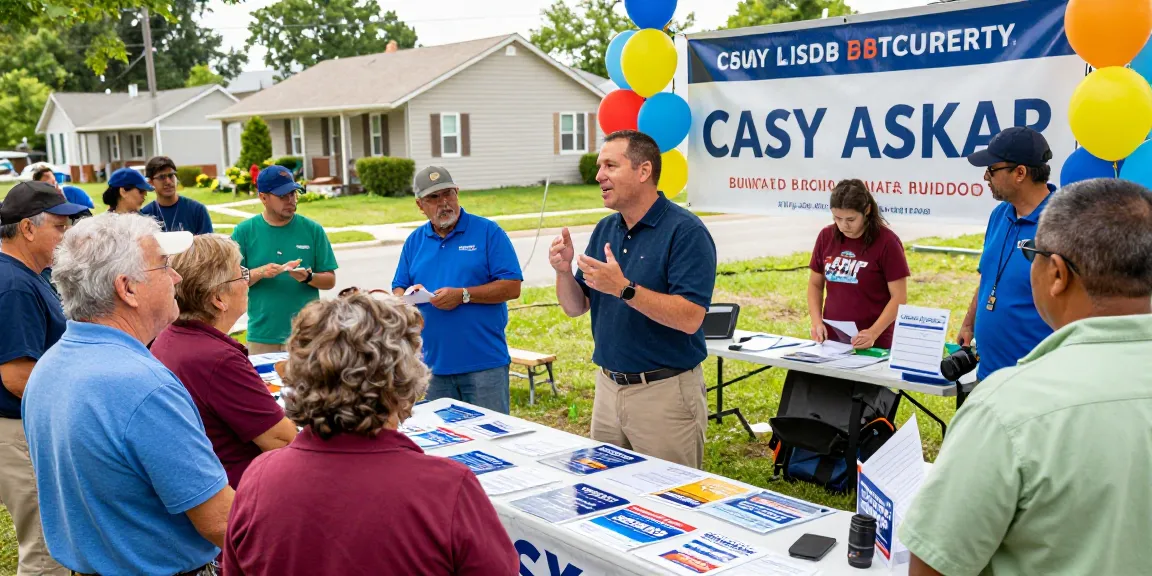
To counter the perception of being an outsider, candidates can engage directly with community members through town halls, community service projects, and local events. Genuine involvement in community concerns can elevate a candidate’s profile and demonstrate a commitment to serving the district’s needs.
Utilizing Social Media for Outreach
In a digital age, effective communication through social media platforms is a must. Candidates should craft authentic messages that resonate with their audience, utilizing platforms to share their values, engage with constituents, and address pertinent issues head-on.
Addressing Controversies Head-On
Controversies, particularly those surrounding candidates like Casey Askar, can significantly impact a campaign. Addressing these challenges with proactive strategies will be essential for success.
Strategies for Damage Control
When faced with controversies, it’s crucial to have a transparent strategy in place. This could involve openly discussing the issues, providing factual information, and, if necessary, seeking third-party validation to clear misunderstandings.
Creating a Positive Brand Image
Building a positive brand image can mitigate the negative effects of past controversies. This includes consistently sharing positive stories, engaging in charitable endeavors, and highlighting positive endorsements from respected figures within the community.
Engaging Voters with Honest Communication
Honesty and open communication with voters are paramount. Candidates must articulate their platforms clearly, address any misunderstandings directly, and ensure that their messaging aligns with community interests.
Looking Ahead: Trends in Political Campaigns
The upcoming election cycle will be shaped by new trends in political campaigning, particularly as candidates adapt to the evolving expectations of voters. Understanding these trends is essential for success in FL-22.
The Role of Digital Marketing
Digital marketing will play an increasingly vital role in reaching voters. Campaigns that effectively utilize targeted online advertising, social media engagement, and data analytics will likely have an edge over those relying solely on traditional media.
Shifts in Voter Expectations
Voter expectations are also changing. Today’s electorate demands authenticity, responsiveness, and accountability from their candidates. Those who can demonstrate these qualities will be better positioned to succeed.
Emerging Campaign Technologies for 2026
New technologies are enabling more efficient campaigning. From AI-driven analytics to interactive voter engagement platforms, candidates who leverage these advancements can enhance their outreach efforts and optimize their strategies.
What are the main controversies surrounding Casey Askar?
The primary controversies include a false divorce to conceal assets, misrepresentation of military service, and inaccuracies in his educational credentials. Each controversy raises questions about his integrity and connection to the community.
How can Casey Askar effectively connect with voters?
To connect with voters effectively, Askar would need to engage in transparent communication, actively participate in local events, and demonstrate a genuine commitment to addressing the district’s pressing issues.
What strategies are crucial for campaign success in 2026?
Successful campaigns in 2026 should focus on transparency, community engagement, leveraging digital marketing, addressing controversies directly, and building a positive brand image.
How does digital marketing impact modern political campaigns?
Digital marketing allows candidates to reach specific voter demographics efficiently, engage followers in real-time, and analyze campaign performance to make data-driven decisions.
What lessons can be learned from past elections?
Past elections highlight the importance of authenticity, local engagement, and proactive communication. Candidates who can learn from these trends are better equipped to navigate the complexities of the political landscape.


